(24 Mizan 1402 / 16 October 2023 – Kabul Serena Hotel, Kabul, Afghanistan)
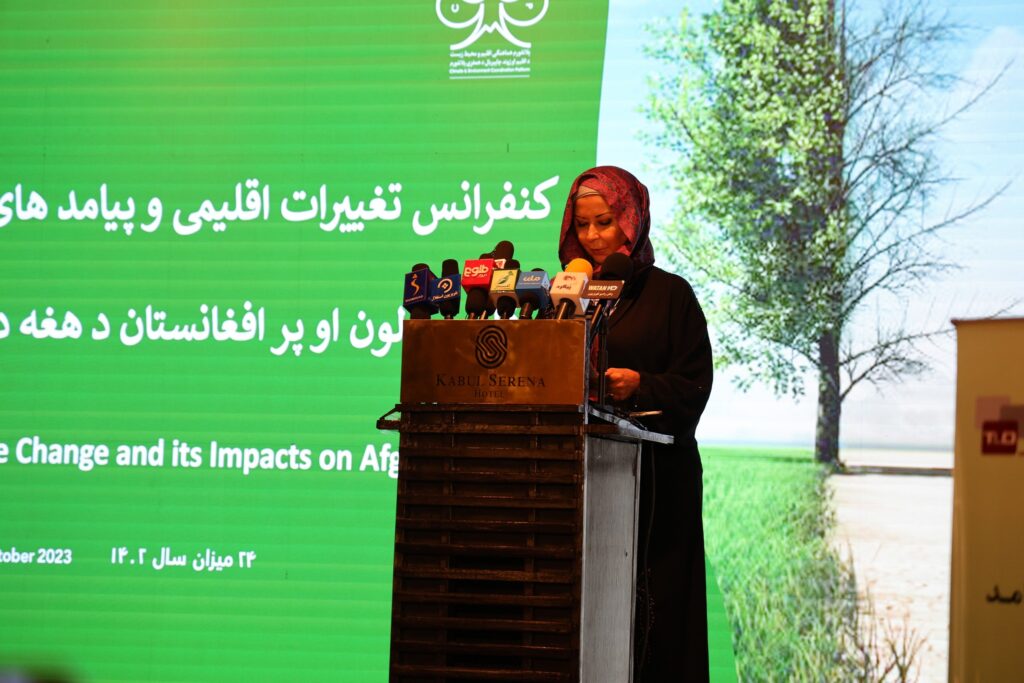
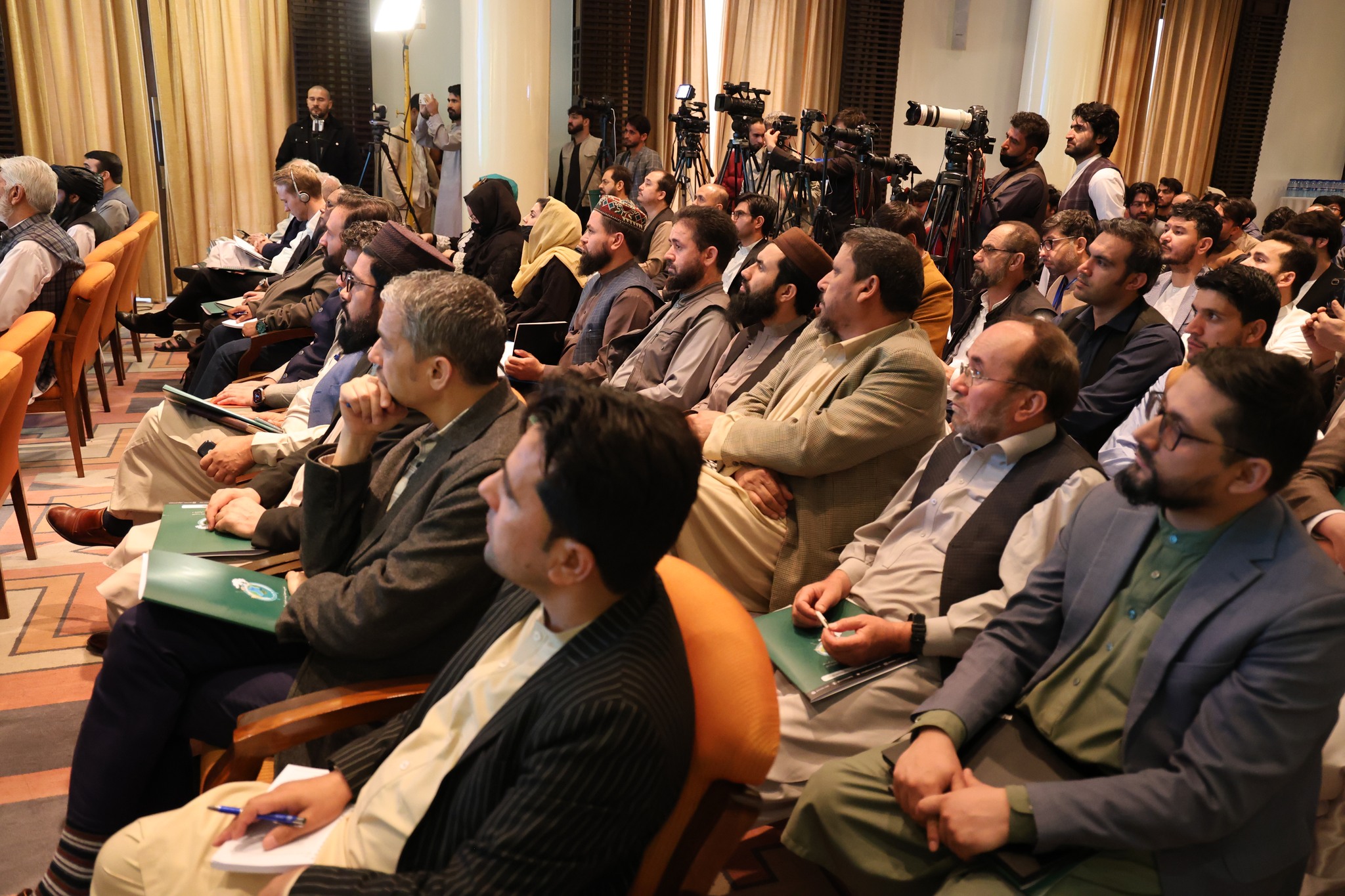
On October 16, 2023 (24th of Mizan 1402, Solar Hijri Calendar), The Liaison Office (TLO) and the Climate and Environment Coordination Platform (CECOP) organized a conference titled “Climate Change and Its Impacts on Afghanistan” at the Kabul Serena Hotel.
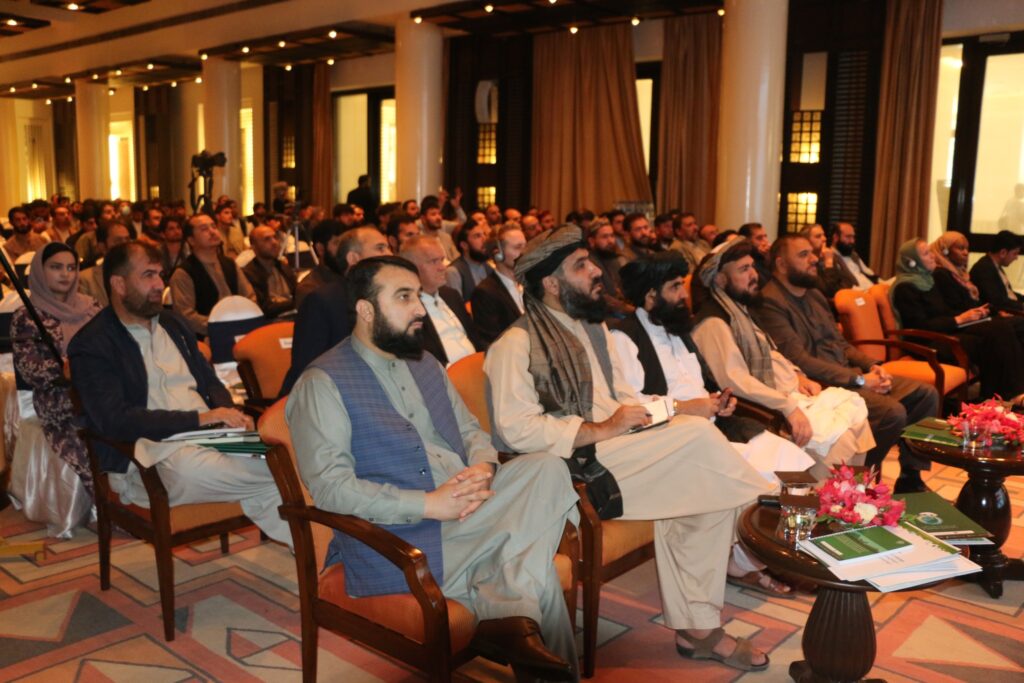
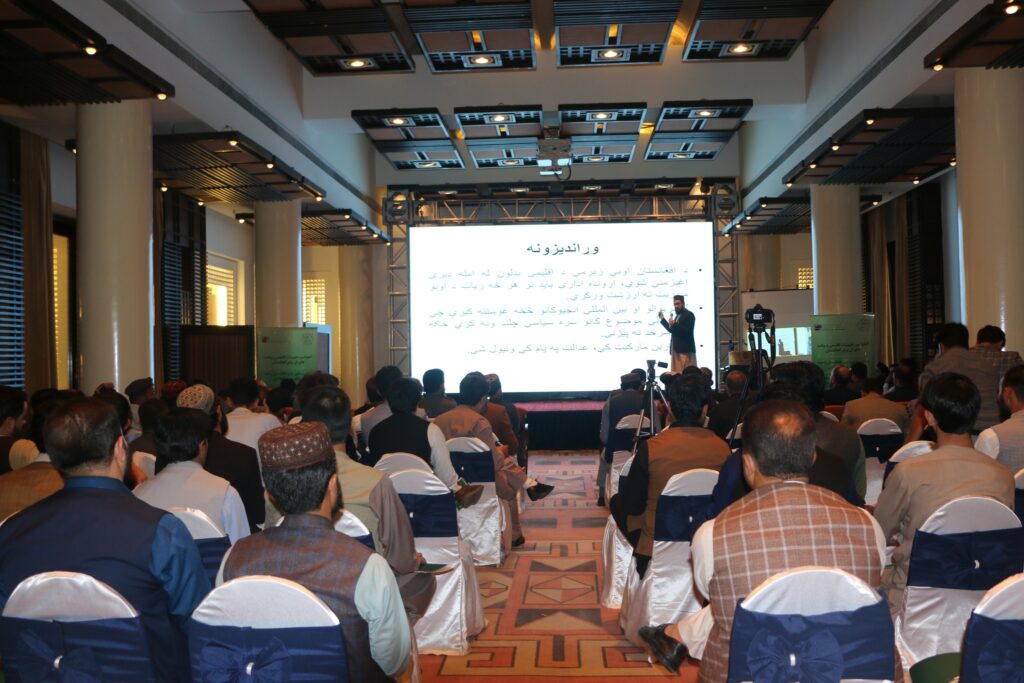
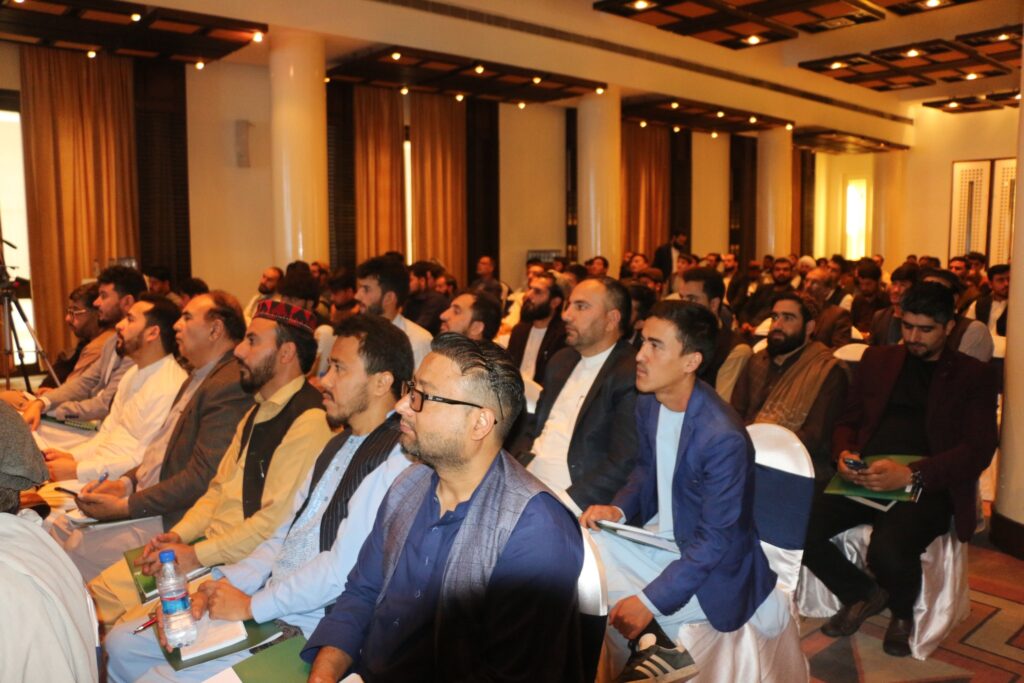
The Climate Change Conference, held today, was a major success. It provided a unique opportunity for experts, researchers, and government officials to come together and share their perspectives on the pressing issue of climate change. Around 200 participants attended in person, with an additional 60 joining virtually. Attendees included national and international NGOs, environmental activists, university professors, relevant officials, international partners (the European Union, the United Nations, and other international bodies), and media representatives.
The discussions were thought-provoking and enlightening, giving participants a deeper understanding of the challenges Afghanistan faces and the opportunities for action. The conference highlighted the importance of collaboration in addressing the urgent issue of climate change.
The main focus of the conference revolved around the devastating impacts of climate change and how collective efforts can combat them. Through insightful speeches and presentations by specialists, the conference provided knowledge and perspectives that can guide better understanding of the challenges and the solutions available.
Speakers emphasized that Afghanistan is already experiencing severe impacts of climate change, which are expected to worsen in the coming years. Rising temperatures, prolonged droughts, more frequent and intense floods, and melting glaciers were among the key impacts discussed. These changes have serious consequences for Afghanistan’s economy, water resources, agriculture, and public health.
In the short term, speakers proposed solutions to mitigate the effects of climate change in Afghanistan, such as developing drought-resistant crops, improving natural resource management (particularly water and irrigation systems), and investing in early warning systems and disaster preparedness. Additionally, partners can promote educational and awareness campaigns to help communities understand the importance of reducing carbon emissions and conserving natural resources.
In the long term, Afghanistan requires a comprehensive and sustainable climate adaptation and mitigation strategy. This strategy should focus on expanding renewable energy, investing in climate-resilient infrastructure, and enhancing cooperation with other countries and international organizations to secure funding and technical support for adaptation programs.
The conference concluded with the reminder that addressing the impacts of climate change in Afghanistan demands coordinated efforts from all partners. By acting now, Afghanistan can reduce the worst consequences of climate change and build a more sustainable future for its people.