(6 Hamal 1403 / 25 March 2024 – Kabul Polytechnic University, Kabul, Afghanistan)
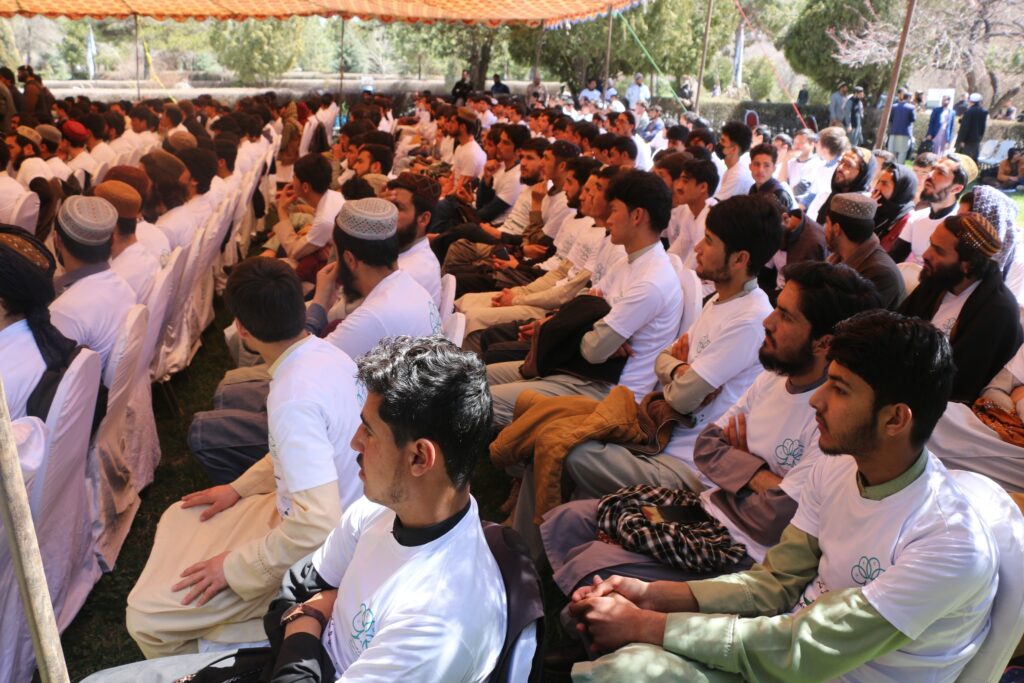
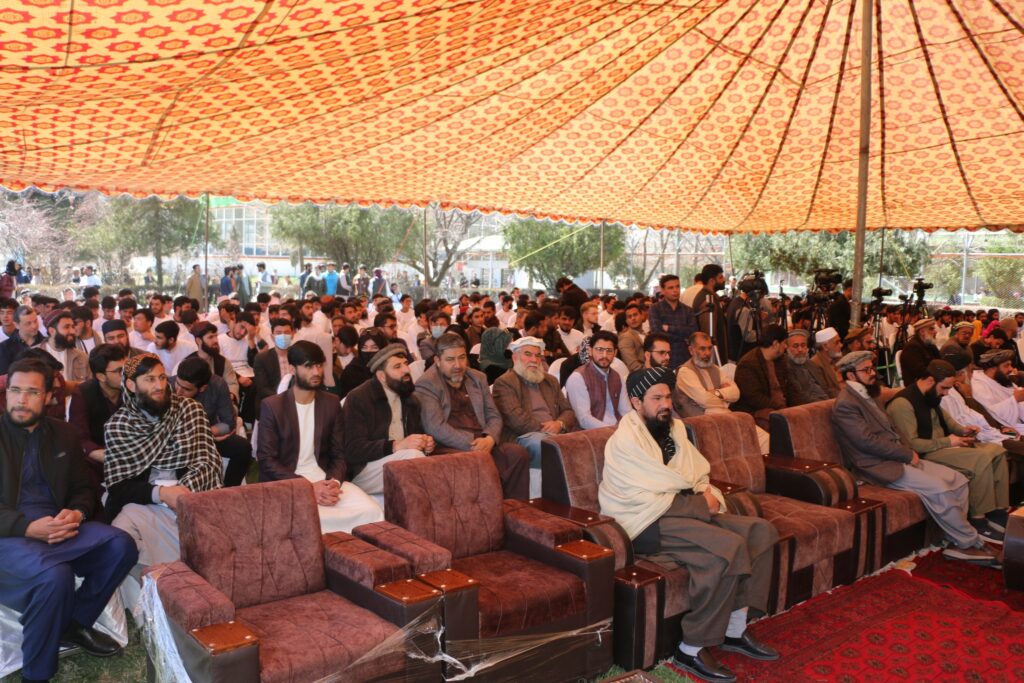
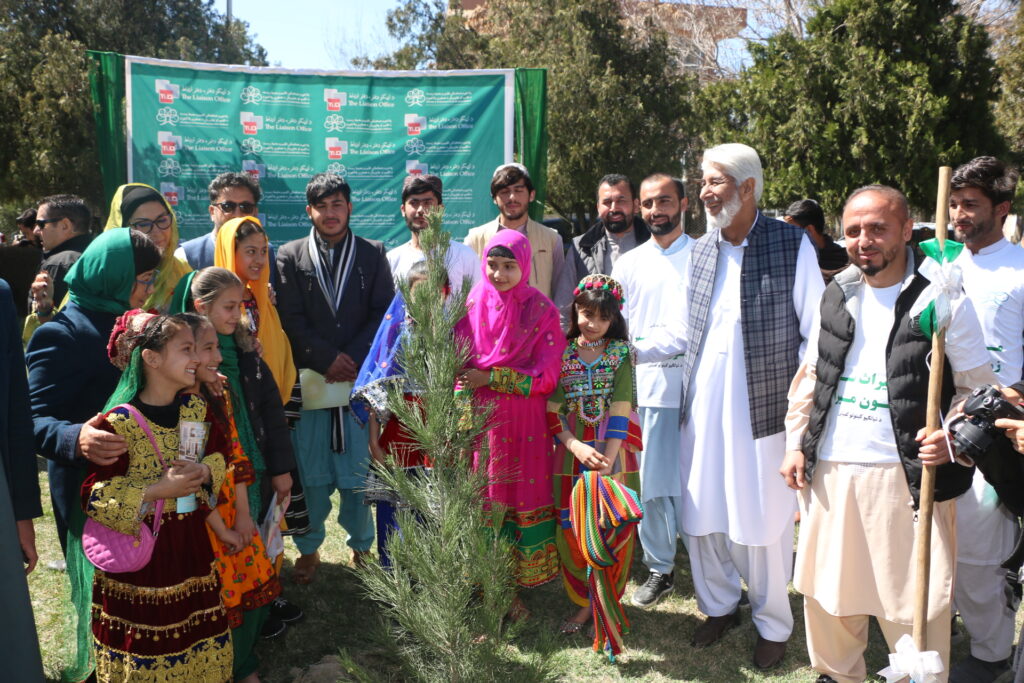
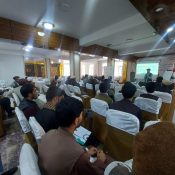
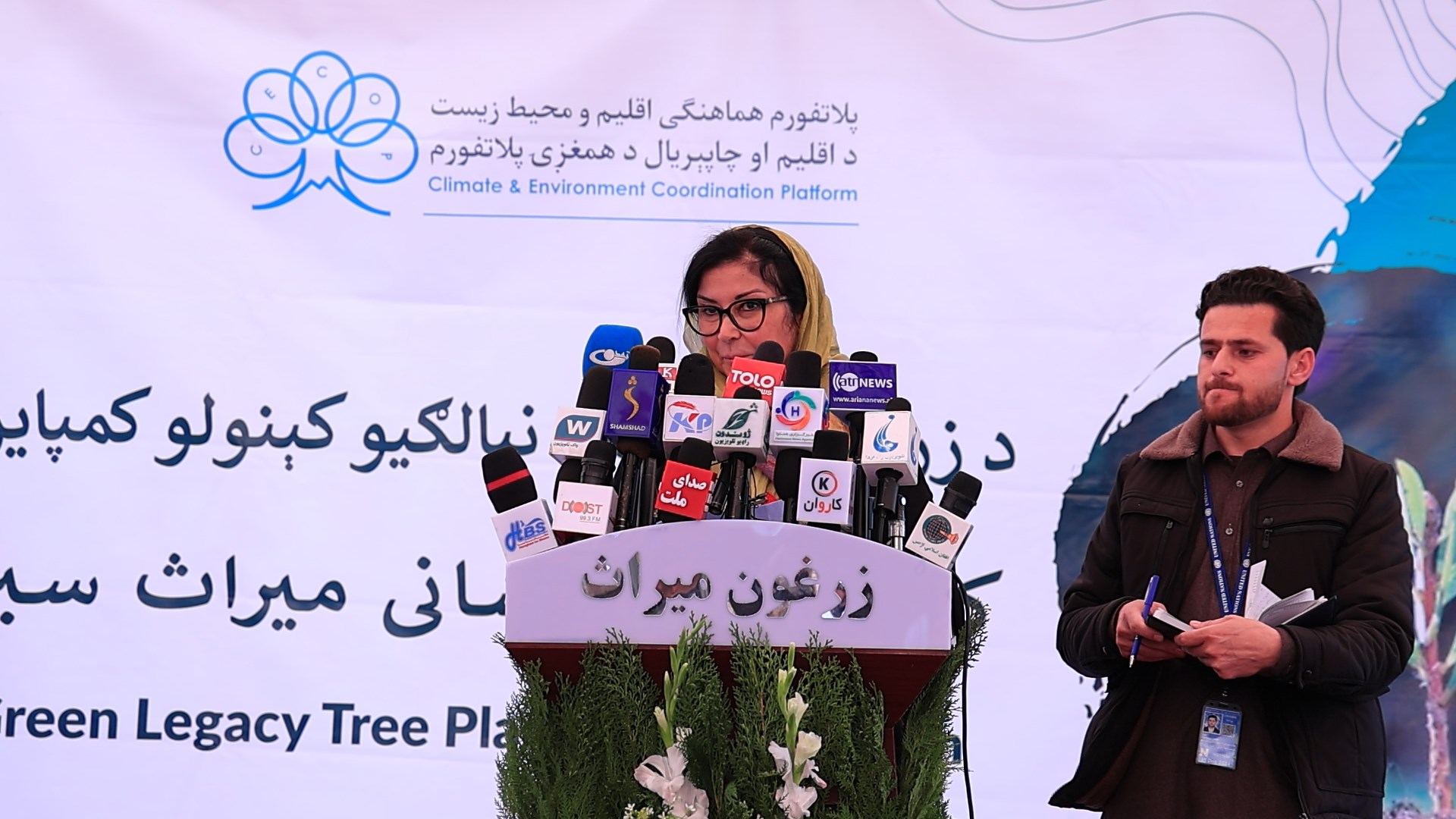
As part of the Green Legacy Tree Planting Campaign, the Climate and Environment Coordination Platform (CECOP) and The Liaison Office (TLO) organized a tree planting program at Kabul Polytechnic University on March 25, 2024 (6th of Hamal 1403).
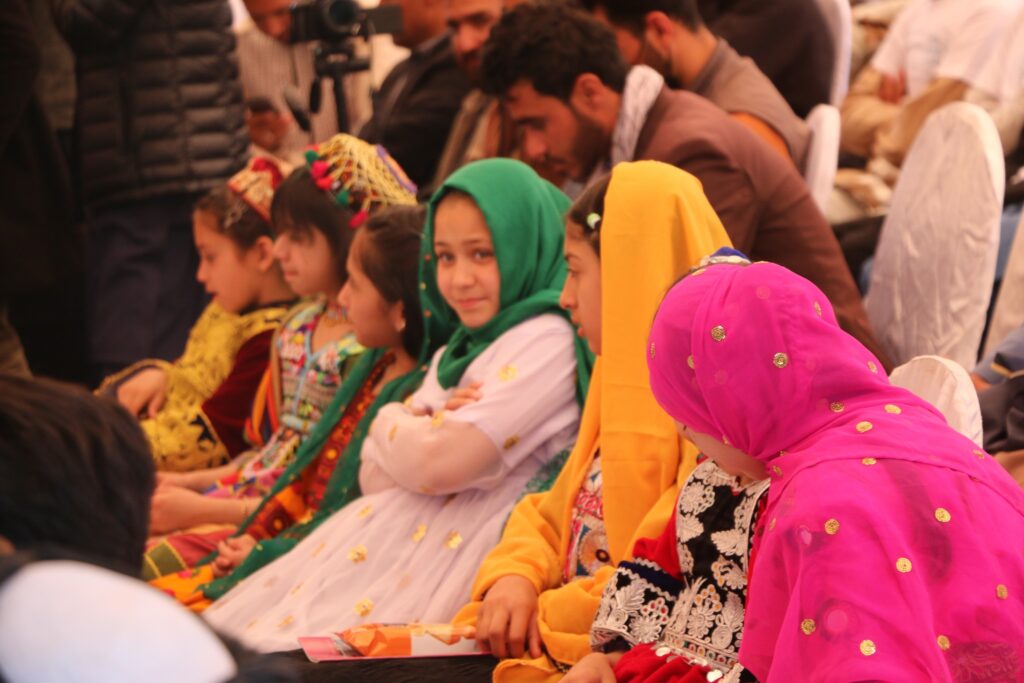
The event was attended by senior government officials from the National Environmental Protection Agency (NEPA), the Ministry of Agriculture, Irrigation and Livestock, Kabul Municipality, and the Ministry of Information and Culture, as well as representatives of international organizations, including the UN Secretary-General’s Special Representative for Afghanistan and the European Union Ambassador to Afghanistan. Many university professors and students also participated in the program.
The conference emphasized the importance of tree planting in combating climate change, promoting a culture of greenery, and encouraging environmental stewardship.
Dr. Zainul Abidin Abid, Deputy Minister for Policy and Technical Affairs of NEPA, stated that although Afghanistan contributes little to greenhouse gas emissions, it suffers greatly from the negative impacts of climate change caused by industrial activities in developed countries. He stressed that tree planting is one of the most effective ways to reduce these impacts.
Ms. Roza Otunbayeva, UN Secretary-General’s Special Representative for Afghanistan, said in her remarks that “Today we are not only planting trees, but also planting seeds of hope, peace, and prosperity. When we protect nature, it gives us back a sustainable life in return.” She also noted that efforts are being made to ensure Afghanistan’s participation in the upcoming COP 2024 Climate Conference in Baku.
Mawlawi Sadr Azam, Deputy Minister of Agriculture, emphasized the Islamic perspective on tree planting, quoting the Prophet Muhammad (PBUH), who encouraged farming and planting trees, as any benefit taken by humans, animals, or birds counts as charity. He also highlighted the Ministry’s ongoing efforts in policy development, forest, and rangeland protection, expressing satisfaction with such initiatives.
Ms. Raffaella Iodice, EU Chargé d’Affaires for Afghanistan, highlighted that tree planting programs are important because they unite people despite their differences, stressing the need for collective action against the climate crisis. She assured participants that the EU, together with the UN and other partners, remains committed to supporting Afghan men, women, and children in the fight against climate change.
Mawlawi Saaduddin Saeed, Deputy Minister of Information and Culture, emphasized the need to raise public awareness about the importance of tree planting and protection. He pledged that the Ministry of Information and Culture would cooperate with institutions and organizations in awareness campaigns.
Mawlawi Abdul Waqil Mutawakil, Head of Kabul Municipality’s Greenery Department, described tree planting as a form of worship in Islam. He highlighted the benefits of trees, including rain attraction, air purification, pollution reduction, cooling, carbon absorption, oxygen production, attraction of birds, and enhancing the greenery and beauty of the city.
The Green Legacy Tree Planting Program concluded with the planting of trees by participants within the campus of Kabul Polytechnic University.